
Tudor declines to discuss Tottenham future after record losing start and Kinsky substitution fallout
Tudor’s Tottenham start hits unwanted territory
Tottenham’s turbulent spell under interim head coach Igor Tudor deepened in Madrid, where a chaotic 5-2 defeat to Atletico Madrid left the club facing a daunting second leg and intensified scrutiny around the direction of the team. The loss was not only damaging in a Champions League last-16 tie; it also pushed Tottenham into a set of historic lows, with Tudor becoming the first Spurs head coach to lose each of his first four games in charge.
The result also extended Tottenham’s losing streak to six matches in a row, a run described as the first of its kind in the club’s 143-year history. In the immediate aftermath, Tudor was asked directly whether he deserved to continue in the role. His response was brief: “No comment.”
Those three words did little to calm the debate that has followed Tottenham through a difficult period. Tudor has been in charge for less than a month, with the Madrid match coming during a short tenure of around 24 to 25 days, yet the scale and nature of the defeat ensured the discussion moved quickly from a single poor night to broader questions about leadership, decision-making, and the atmosphere around the squad.
A remarkable first leg turns into a night of errors and a rare early change
The Madrid contest was billed as the first leg of a Champions League last-16 tie, but it became a match dominated by early mistakes and a dramatic intervention from the Tottenham bench. Tudor’s decision to start 22-year-old Antonin Kinsky in goal for his first Champions League appearance, at the expense of the more experienced Guglielmo Vicario, backfired in dramatic fashion.
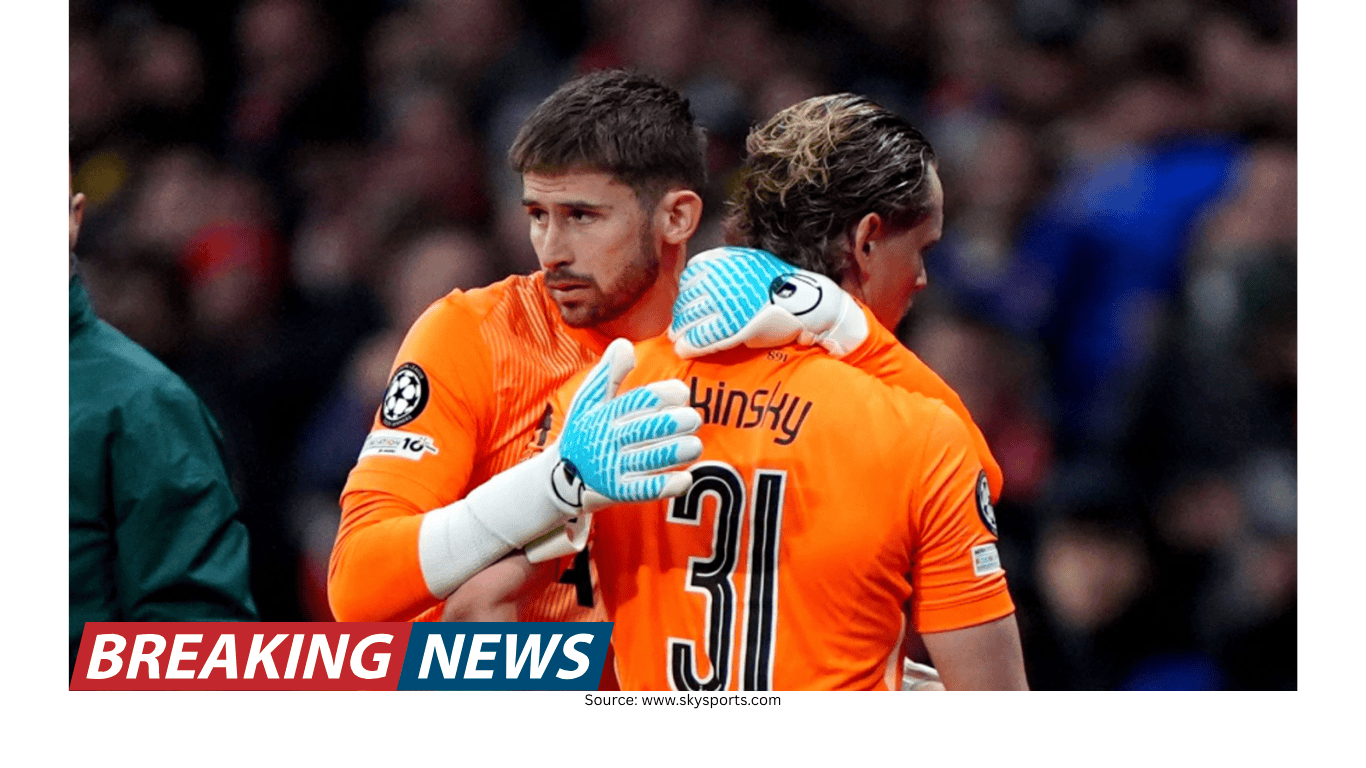
Kinsky’s errors contributed to two of Atletico’s three early goals, and after just 17 minutes Tudor made a move he later described as almost unprecedented in his coaching career: he substituted his goalkeeper. Vicario was sent on, and Kinsky left the field looking distraught.
“It is very rare. I have coached 15 years and never done this,” Tudor said when asked to explain the decision. “It was necessary to preserve the guy and to preserve the team.”
Tudor framed the change as a protective measure rather than a purely tactical one, pointing to the fragility of his team in the opening stages. “The start of the game was too much for us in this moment when we are fragile, when we are weak,” he said.
Even after the substitution, Tottenham’s problems did not stop. Vicario conceded soon after coming on, with Robin Le Normand scoring Atletico’s fourth goal five minutes after the change. The match ultimately ended 5-2, leaving Tottenham with a steep task in the return leg and adding to the sense that the tie is already slipping away.
Handling of Kinsky becomes a focal point
While Tottenham’s broader performance drew criticism, the most immediate flashpoint was Tudor’s treatment of Kinsky during and after the substitution. The young goalkeeper appeared inconsolable when he was withdrawn, and the incident quickly became a talking point not only because of the errors but because of how the moment unfolded on the touchline.
Tudor insisted the decision was made with the player’s welfare in mind and said he had spoken with him. “Kinsky was sorry. The team is with him. Me too. I was speaking with him. He understands the moment, he understands why he went out,” Tudor said. “He is a very good goalkeeper. It is never about one player.”
However, the optics of the moment were hard to ignore. Observations from the stadium suggested some players immediately tried to console Kinsky as he left the pitch. There was also commentary that Tudor did not acknowledge Kinsky when he came off, adding to the perception that the substitution carried an element of public humiliation.
In Madrid, the atmosphere around the incident was described as toxic, with the suggestion that some players would be unhappy about how the situation was handled. The focus was not only on the decision to start Kinsky, but on the speed of the reversal and the emotional impact on a young player making a high-profile debut in a difficult environment.
Questions about internal dynamics after the substitution
Beyond the immediate goalkeeping controversy, there were claims of visible concern among Tottenham players during the episode. It was reported that Joao Palhinha and Conor Gallagher ran to console Kinsky, a reaction interpreted as players being worried about his welfare. The same account highlighted that Tudor did not acknowledge Kinsky as he left the field, an image that fuelled debate over man-management in a high-pressure moment.
There was also discussion around footage that appeared to show Cristian Romero gesturing towards the bench, with the suggestion he may have been urging Tudor to take Kinsky off. Tudor was asked about this and denied it, though the incident added another layer to the post-match conversation: whether the decision-making was entirely controlled from the bench, or whether the situation had escalated to the point that players felt compelled to intervene.
These details matter because they go to the heart of what Tottenham are trying to stabilise. A heavy defeat can be explained by tactics, form, or individual errors. But a sense of internal discord, or even the perception of it, can linger longer than a scoreline and complicate the task of preparing for the next match.
Record defeats and a difficult schedule ahead
Tottenham’s immediate fixture list offers little respite. After the Madrid defeat, they are set to travel to Anfield to face Liverpool on Sunday, before returning to the same European tie three days later for the second leg. The challenge is not only physical but psychological: Tottenham must attempt to halt a historic losing run while also managing the fallout from a night that raised questions about confidence and cohesion.
When asked what needs to happen ahead of the Liverpool match, Tudor kept his answer simple. “I try to do my best. What a coach needs to do,” he said.
That response captured the reality of the situation. With Tottenham’s form deteriorating and records being set for the wrong reasons, the next game becomes less about fine margins and more about basic stability: restoring composure, reducing errors, and ensuring that the squad is not consumed by the noise surrounding it.
Supporters’ Trust calls for “emergency action”
The reaction from supporters was swift and severe. Tottenham Hotspur Supporters’ Trust issued a statement calling for “emergency action” following the defeat in Madrid, describing the performance and result as “a total disgrace” and “symptomatic of the abysmal state of things at Spurs right now.”
The statement criticised the broader running of the club, referencing the January transfer window and management appointments, and pointing to what it described as a lack of leadership. It also questioned the absence of what it called “anyone with a Spurs pedigree” informing key decisions.
In an emotional passage, the group invoked club slogans and identity, asking: “Where is the Daring to Do? Where are the Echoes of Glory?” The message was clear: for a section of the fanbase, the issue extends beyond a single coach or a single match, and instead reflects a deeper dissatisfaction with the direction of the club.
The Supporters’ Trust also said that, at a minimum, those who travelled to Madrid should have their match tickets refunded. But it stressed that the central demand was more fundamental: for the club to give supporters something to be proud of. “We are here to support the team and be the 12th man. But we all deserve so much more,” the statement said.
Why the Kinsky episode resonates beyond one match
Goalkeeper errors are among the most visible in football, and the consequences are often immediate. What made this episode particularly notable was the combination of factors: the decision to start an inexperienced goalkeeper in a high-stakes Champions League tie; the speed with which that decision was reversed; and the emotional toll of being substituted after 17 minutes.
Tudor’s explanation emphasised protection of both player and team, and he insisted Kinsky remains a “very good goalkeeper.” Yet the incident has become a symbol of Tottenham’s current instability. In a fragile environment, even decisions made with good intentions can be interpreted harshly, especially when the wider context is a losing streak and a team struggling for confidence.
The coach’s insistence that “it is never about one player” also points to a larger truth. Tottenham’s problems on the night were not limited to one position, and the final scoreline suggests structural issues as well as individual mistakes. Still, the goalkeeper substitution offered a single, dramatic moment for critics and supporters to focus on, and it is likely to remain part of the conversation until Tottenham produce a convincing response on the pitch.
What the Madrid defeat means for Tudor
Tudor’s refusal to discuss whether he deserves to stay in the role ensures the debate will continue. The statistics alone are stark: four games, four defeats, and a club-record six-match losing streak during a period in which Tottenham were expected to find some form of bounce under new leadership.
Commentary from Madrid suggested the situation is “very, very toxic,” with the view that Tudor’s future will now come into question. The same assessment argued there has been “no manager bounce” and that Tottenham “actually look worse,” adding that the problems could intensify before they improve.
That sense of momentum matters. Tottenham appointed Tudor to “put fires out straightaway,” but the Madrid defeat was described as creating “more fires.” With Liverpool next and a second leg looming, the immediate challenge is not only tactical preparation but also restoring a sense of calm and unity.
Key points from an extraordinary night
Tottenham lost 5-2 away to Atletico Madrid in the first leg of their Champions League last-16 tie.
Igor Tudor became the first Tottenham head coach to lose his first four games in charge.
The defeat extended Tottenham’s losing run to six matches, described as the first such streak in the club’s 143-year history.
Goalkeeper Antonin Kinsky was substituted after 17 minutes following errors that contributed to two early Atletico goals.
Tudor said the change was made to “preserve” both the player and the team, calling it a rare step in his 15-year coaching career.
The Tottenham Hotspur Supporters’ Trust called for “emergency action” and described the performance as a “total disgrace.”
Pressure builds as Tottenham search for stability
Tottenham now face the immediate task of responding on the pitch, starting with a trip to Liverpool and followed quickly by the second leg against Atletico Madrid. The Madrid match delivered a heavy scoreline, unwanted records, and a controversial moment that has dominated the discussion.
For Tudor, the next steps will be judged not only by results but by whether Tottenham can look more coherent and resilient than they did in Madrid. For supporters, the demand is broader: visible leadership, better decision-making, and performances that reflect the club’s identity. For the players, the challenge is to regroup quickly, protect one another in a difficult period, and prevent a fragile situation from deteriorating further.
As the schedule tightens and scrutiny increases, Tottenham’s season risks being defined by this run unless they can find a way to stop the slide. Tudor may not have commented on his own position, but the events in Madrid ensured the question will not go away.