
Roy Keane: Manchester United’s ‘swagger’ is back, but Carrick not the long-term answer
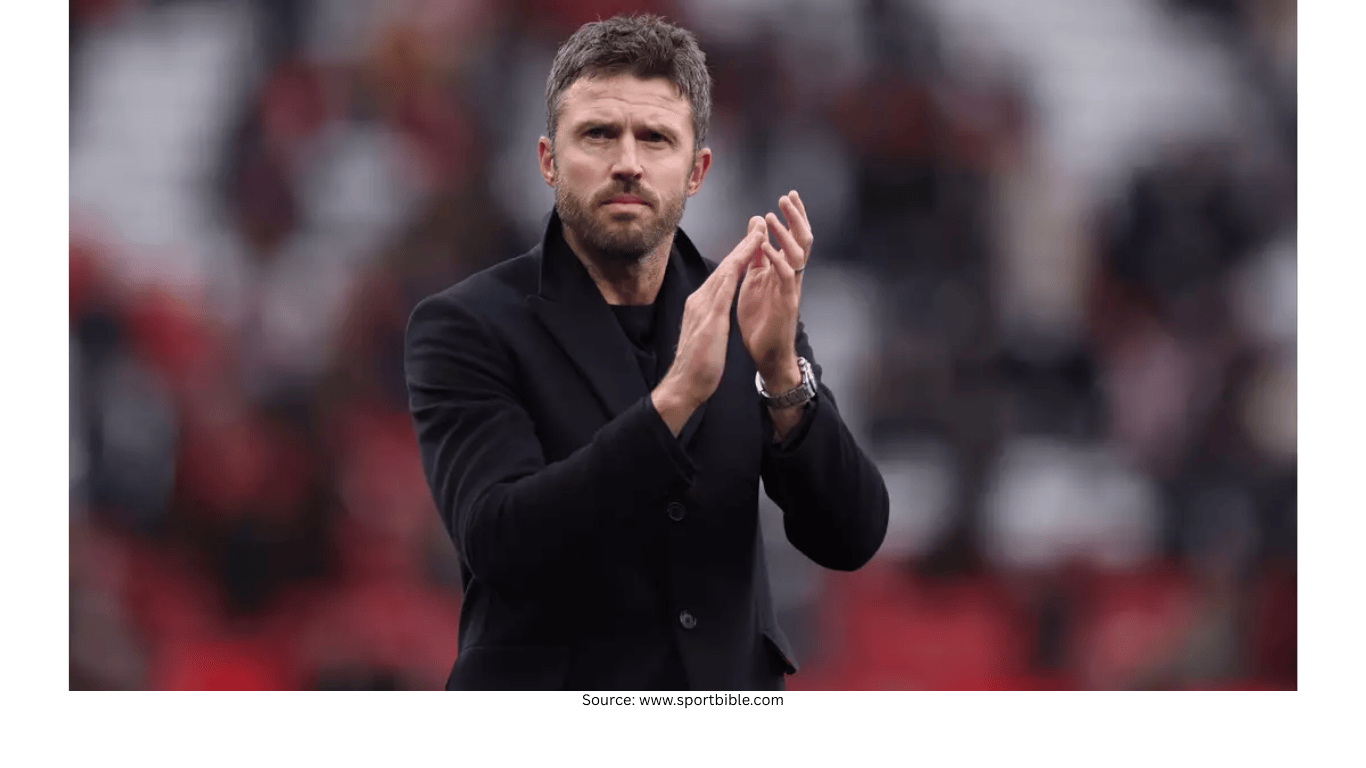
Keane sees a familiar edge returning to United
Manchester United’s recent results have brought a noticeable lift in mood, and Roy Keane believes the team have rediscovered an element that has been missing. After a dramatic 3-2 victory away to Arsenal, Keane said United have their “swagger” back, pointing to a renewed calmness and confidence in the way they played.
The win at the Emirates Stadium followed another high-profile result against Manchester City, making it two victories from two under Michael Carrick since he was confirmed as head coach until the end of the season. For supporters, the combination of the scoreline, the opponent, and the manner of the performance offered a glimpse of what Keane described as something reminiscent of “the old days,” particularly in the reaction of the United fans in the away corner.
Keane’s assessment of the performance against Arsenal was positive, highlighting the balance between quality and control. He felt United showed “swagger and calmness” considering where the team have been, and he also noted the influence of players introduced from the bench as a key factor in turning the match in United’s favour.
A dramatic winner and an early statement under Carrick
United’s win at Arsenal was sealed by Matheus Cunha, who scored a dramatic late winner. The goal completed a 3-2 victory against the Premier League leaders and ensured Carrick’s tenure began with two major wins against elite opposition.
Those results have naturally prompted discussion about what comes next for the club and whether Carrick’s early success should place him in contention beyond his interim period. Carrick has now overseen victories against both Manchester City and Arsenal since stepping into the role, a start that would typically strengthen any coach’s position.
However, the reaction from some of United’s most prominent former players suggests that the conversation is not simply about short-term results. For Keane, the key question is whether the club’s long-term ambitions can realistically be met under Carrick, regardless of how encouraging the opening days have been.
Keane: “Anyone can win two games”
Keane’s central argument was blunt: two wins, even against top opposition, are not enough to justify handing Carrick the job permanently. Speaking after the Arsenal match, he said: “Two great performances but anyone can win two games.”
He went further, insisting that even an exceptional run to the end of the season would not change his view. In Keane’s words, “If United win every game until the end of the season, I still wouldn't be giving him the job. I still wouldn't be convinced he's the man for the job. Absolutely not.”
Keane framed his stance around the size of the club and the scale of the task ahead. For him, Manchester United require a head coach who can handle the pressure and deliver the biggest prizes. He argued that Old Trafford needs someone “bigger and better” than Carrick, describing the challenges facing the club over the coming years as too significant to gamble on a coach who, in his view, has not yet shown he can deliver league titles.
Keane’s conclusion was clear and repeated: he does not believe Carrick is the man to take United to league-winning level. “Are we going to sit here and believe Michael Carrick can get United winning league titles?” he asked, before adding: “It's not enough for me. I don't believe he is the man to get them winning league titles.”
Praise for the performance, not a verdict on the future
While Keane was firm on the question of long-term leadership, he did not dismiss what Carrick has achieved in the opening fixtures. He credited United for two “brilliant” performances and said they showed “real quality,” pointing to moments of individual excellence and the impact of substitutes.
His comments carried a distinction that often defines debates around managerial appointments: acknowledging immediate improvement does not necessarily mean endorsing the long-term option. Keane’s view was that United can enjoy the momentum and the lift in standards while still pursuing a coach who fits the club’s ambitions for major honours.
In that sense, Keane’s “swagger” remark was not a contradiction of his criticism. It was an observation about what he saw on the pitch: a team playing with more belief and composure, and a fanbase responding to that shift. But he still questioned whether Carrick should be tasked with leading a multi-year rebuild aimed at titles.
Gary Neville: keep Carrick for now, then move for experience
Gary Neville also argued that Carrick should not be the long-term solution, despite expressing satisfaction with what he has seen over the last two weeks. Neville suggested that Manchester United should look to more experienced managers and specifically referenced Thomas Tuchel and Carlo Ancelotti as examples of the level of coach the club should target.
Neville’s view was shaped partly by what he described as the club acting “emotionally” at various points over the last 12 years. In his assessment, the recent performances have been encouraging, but he cautioned against allowing positive feelings to drive a major decision too quickly.
He said he “could not be happier” with the last two weeks and spoke about a sense of recognition in the way United have played. “The familiarity in what I'm watching feels like I'm watching my team play again properly,” Neville said. He highlighted intensity as a key feature of the performances and suggested the team have begun to look more like a coherent unit.
Still, Neville’s proposed path was clear: Carrick should remain in charge until the end of the season and then “hand the baton over” to an elite, proven coach. In his words, United should appoint “a Tuchel or an Ancelotti, someone of that world-class ilk.”
Carrick’s measured response after a fast start
For his part, Carrick has been careful not to overstate what the early results mean. After securing his second win as head coach, he emphasised how little time he has had in the job and stressed that the team’s development is only beginning.
“It's only been 10 days, so it was never going to be perfect,” Carrick said. He also acknowledged the realities of playing away to a top side, explaining that United could not expect to arrive and “suddenly dominate the whole game and the ball.”
Carrick described the victories as a “great starting point” but insisted there is more work to do. He said the team need to “put more layers on top” in the coming weeks, a phrase that suggests he sees the current improvements as a foundation rather than a finished product.
Collective effort and the impact of the bench
One of the themes Carrick returned to was the collective nature of the performances. He credited the staff and players for the level of commitment they have shown, saying he gives “a lot of credit” for how much they have “invested” and “bought into it.”
He also pointed to the importance of players living the approach on the pitch, not simply listening to instructions. “It's alright trying to help them and say certain things, but they've got to live it,” he said, linking that idea to the influence of substitutes who came on and made a difference.
The contribution from the bench was also highlighted by Keane, who said players introduced during the match had a “big influence.” Taken together, the comments from both men underline a key feature of United’s two wins: they were not described as isolated moments of luck, but as performances shaped by intensity, quality, and involvement across the squad.
What the debate reveals about United’s priorities
The discussion around Carrick’s future, despite only being in the role for a short period, reflects the scale of expectation at Manchester United. Two wins against Manchester City and Arsenal would be significant for any club, but at Old Trafford they immediately raise the bigger question: is this a short-term bounce, or the start of something that should be built around a new long-term head coach?
Keane and Neville, while positive about the performances, both steered the conversation toward long-term standards. Their shared position is that United should not confuse a promising start with proof of suitability for a role that demands sustained title challenges.
Keane’s emphasis on league titles set a high bar for judging the next appointment. Neville’s suggestion of targeting managers with extensive experience at the top level reinforced the same theme: the club’s next step should be planned, not emotional, and should be aligned with the ultimate objective of returning to the top.
Key points from the latest reactions
- Roy Keane said Manchester United have their “swagger” back after wins against Arsenal and Manchester City.
- Keane praised the calmness and quality in the Arsenal performance, as well as the impact of substitutes.
- Despite the strong start, Keane said Old Trafford needs someone “bigger and better” than Michael Carrick for the long term.
- Keane insisted that even winning every game until the end of the season would not convince him to give Carrick the job permanently.
- Gary Neville also backed Carrick to stay until the end of the season but suggested United should then turn to an experienced, world-class coach such as Thomas Tuchel or Carlo Ancelotti.
- Carrick described the past 10 days as a beginning, saying the team need to add “more layers” and cannot expect instant perfection.
- Carrick credited staff and players for buying into the approach and highlighted the importance of a collective spirit, including contributions from the bench.
Momentum now, bigger decisions later
Manchester United’s two wins under Carrick have shifted the tone around the team, with Keane observing a return of confidence and Neville noting a familiar intensity in the performances. The players have delivered decisive moments, including Cunha’s dramatic winner against Arsenal, and the squad’s depth has been credited for influencing outcomes.
Yet the verdict from Keane and Neville is that early success should not automatically translate into a long-term appointment. Their argument is not that Carrick has failed, but that the job demands a level of proven pedigree that matches the club’s ambitions.
Carrick, meanwhile, has kept his focus on the process rather than the noise, describing the recent run as a starting point and emphasising that improvement will require time and additional work. With the season still unfolding, United’s immediate challenge is to build on the renewed “swagger” on the pitch while the club weighs what kind of leadership it wants for the future.